

Quick Summary
To host parties with ease, start with a realistic guest count, then work backward through a checklist and timeline so each task stays small. Plan appetizers that need little prep, set up food and drinks in separate areas, and assign helpers. Greeting guests and being present matters more than a perfect house.
- Start by deciding your ideal guest count, and trim it if you are new to hosting.
- Send invitations four weeks ahead with start time, end time, and an RSVP date.
- Ask guests about allergies two weeks ahead, then finalize the menu.
- Keep food and drink stations at least 10 feet apart to avoid bottlenecks.
- Assign two or three friends roles like drink refills, plate clearing, and greeting guests.
Table of Contents
- Start With Your Guest List and Party Size
- Build a Party Planning Checklist
- Plan a Timeline From Invitation to Cleanup
- Choose Easy Party Appetizers That Need Little Work
- Tips for Hosting a Large Party at Home
- How to Be a Good Host at a Party
- Pick Your Next Party Menu and Stock Up
- Frequently Asked Questions
Start With Your Guest List and Party Size
Before you buy a single napkin, decide who you're inviting and how many people you can comfortably host. Most stress comes from guest counts that grow faster than the space or food can handle.
Start with a simple number. Write down your ideal guest count, then consider trimming it if you're new to how to host parties. A smaller, relaxed party beats a crowded one where you're running between the oven and the door.
Here's a quick way to size things up:
- Under 10 guests: Sit-down or casual seating, one main dish plus appetizers
- 10 to 25 guests: Buffet or stations work best, with a dedicated drink area
- 25+ guests: Plan for help, separate food and drink zones, and clear traffic paths
Guest lists also shape the vibe. Mixing close friends with new acquaintances works, but keep a few familiar faces nearby to help people connect.
Build a Party Planning Checklist
A written checklist turns a vague plan into a list you can finish. Most hosts forget the small items, like ice, serving spoons, or trash bags, until the last minute.
Your checklist should cover:
- Guest list and RSVP tracking
- Menu, with at least one make-ahead dish
- Drinks and ice for the full party length
- Plates, cups, napkins, and serving utensils
- Music, lighting, and seating
- Backup plan for weather or late arrivals
Check off each item a few days before the event. Anything left open by then gets moved to the top of your list.
Plan a Timeline From Invitation to Cleanup
A party feels easy when the work is spread across several days instead of crammed into the last hour. Working backward from the party date, with specific checkpoints at each stage, keeps every task small enough to finish.
Four weeks before
Send invitations and state the start time, a loose end time, whether children are welcome, and whether guests should bring anything. Clear wording prevents most confusion about plus-ones and timing. Ask for RSVPs by a set date, about ten days before the event, and say that a no-reply will be treated as a no.
Two weeks before
Ask every guest about food allergies, dietary restrictions, and any mobility or access needs. A short line in the invitation or RSVP form works well, such as: "Let me know about any allergies or dietary needs, and whether you need step-free access or a quiet place to sit." Record the answers in one note so you can plan the menu around them.
Finalize the menu now. Choose one or two make-ahead dishes, and decide which items you will buy instead of cook.
One week before
Make a shopping list and divide it into perishable and non-perishable items. Buy non-perishables, paper goods, and ice-storage containers first. Confirm your count against the RSVPs, and add a small buffer of about 10% for unexpected guests.
Test any equipment you plan to use, such as a speaker, extension cords, or a slow cooker, so problems surface while there is still time to fix them.
Three days before
Clean the rooms guests will use, clear surfaces you need for serving, and set up furniture and seating. Prepare decorations and set them aside so they are ready to place.
The day before
Make dips, desserts, and any dishes that hold well overnight. Store them in labeled containers, with allergens noted. Chill drinks, and set aside ice bags or a cooler. Lay out serving utensils, napkins, and trash bags in the places where you will need them.
Two hours before
Set up the food and drink stations, put out the first round of appetizers, and start the music at a low volume. Keep the final prep to tasks that take under 20 minutes, such as slicing fruit or refilling ice, so you are not in the kitchen when guests arrive.
During the party
Assign one friend to handle refills and trash while you greet guests. A list taped inside a cabinet with the location of extra supplies saves time when you are busy.
The next morning
Clear dishes and trash in a fixed order: perishables into the fridge first, then trash, then dishes soaking in warm water with a little dish soap. Much of the cleanup can wait until the next day, as long as perishable food is refrigerated promptly after the party ends. Send a short thank-you message to guests within a day or two. With the kitchen reset and thanks sent, you can carry that same calm, thoughtful approach into a Holiday Home dinner.
The article lays out the party timeline as a set of checkpoints, summarised below.
| When | Task | Note |
|---|---|---|
| Four weeks before | Send invitations | State start and end times, RSVP date |
| Two weeks before | Ask about allergies and needs | Finalize the menu |
| One week before | Shop and confirm count | Add about 10% buffer for extra guests |
| Three days before | Clean rooms and set up furniture | Prepare decorations |
| The day before | Make dips and desserts | Store in labeled containers |
| Two hours before | Set up food and drink stations | Keep final prep under 20 minutes |
| The next morning | Clear dishes and trash | Send thank-you messages within a day or two |
Choose Easy Party Appetizers That Need Little Work
The best appetizers look impressive but take little time in the kitchen. Dip mixes and spreads fit this goal well.
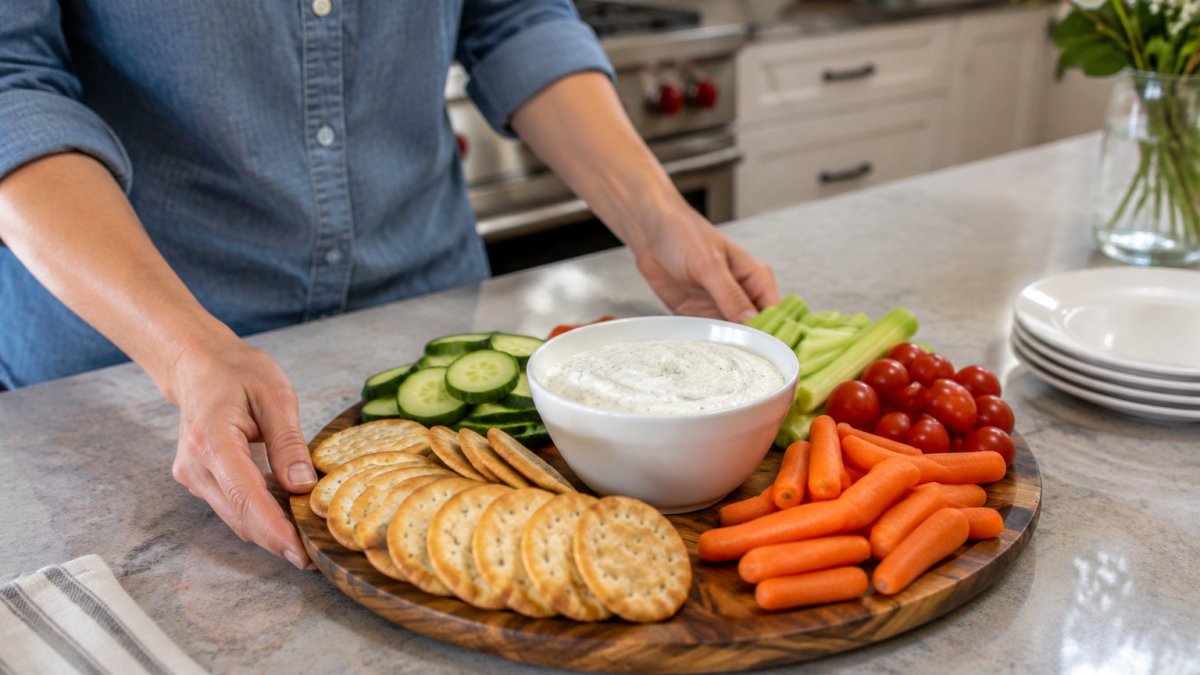
A host can arrange a platter of crackers, veggies, and a bowl of creamy dip on the counter before guests arrive. The whole setup takes about 15 minutes.
Some options that need almost no prep:
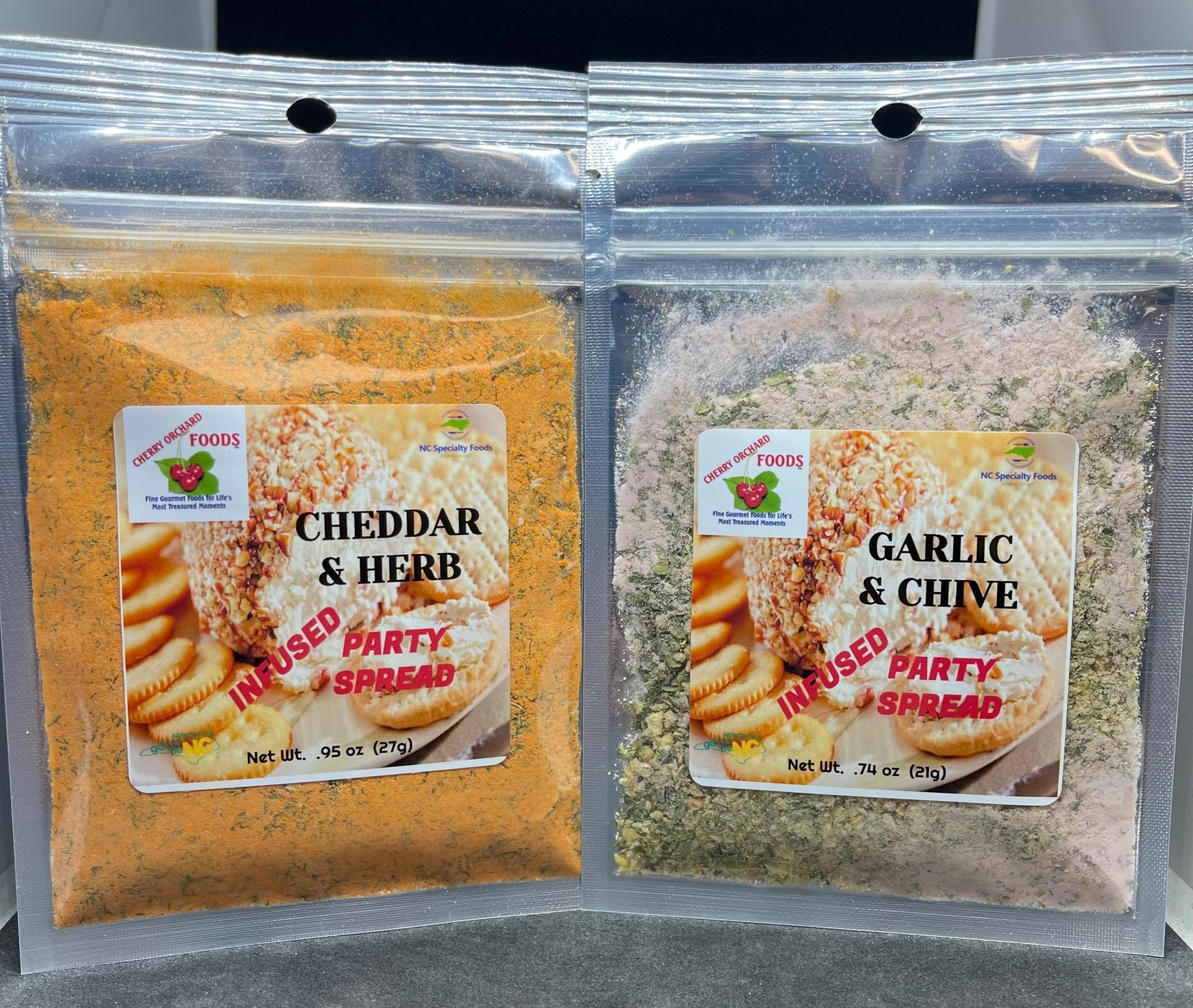
- Infused party spreads: Hand Crafted Infused Party Spreads blend with cream cheese and chill for a few hours. Serve with crackers or veggies.
- Spicy dip mixes: Hand crafted Spicy Savory Dip Mixes are ready to mix with sour cream or yogurt for a bold, quick dip.
- Seasoned pretzels: Seasoned Premium Mini Pretzels open-and-serve, with no cooking needed.
Pick two or three appetizers instead of six. Fewer choices mean less work and less waste. For a sweet finish that needs only a few ingredients, hand crafted no-bake dessert mixes offer a simple option that suits a busy host.
Tips for Hosting a Large Party at Home
Hosting 25 or more people changes the math. Space, food flow, help, and cost all matter more. Planning for the flow of people through the house is the single most useful step.
Plan the flow before the party
Walk through the house as a guest would. Decide where people will enter, where they will put coats and bags, where they will get food and drinks, and where they will stand to talk. Open a clear path between the entrance, the food, and the seating so people do not bottleneck at one doorway.
Set up food and drinks in separate areas, at least 10 feet apart. This keeps the line for drinks from blocking the line for food. Place trash and recycling bins near both areas, and consider a third station with napkins and small plates in the living room.
Staffing and help
Ask two or three friends to take specific roles before the party: one for drink refills, one for clearing used plates, and one to greet guests at the door. Give each person a short written list of what to watch for, such as low ice or an empty platter. Without assigned help, most hosts spend the first hour in the kitchen and miss the party itself.
A sample budget
Budgets vary widely with menu, location, and guest preferences. Set a total you are comfortable with, then divide it across appetizers, a main dish, drinks, and disposable serveware.
Cut costs by choosing one hot main dish and several cold sides rather than multiple hot dishes, and serving one signature drink instead of a full bar.
Food planning and running short
Plan enough food for each guest's appetite, and adjust for a meal versus appetizers only. Make one extra dish that can be served cold or reheated, and keep it in the fridge until the midpoint of the party. If the food runs low, put out the extra dish, refill the snack bowls, and offer the dessert earlier. Guests rarely mind a short wait when the atmosphere is relaxed.
Watch out: a single entrance creates a crowd
When all guests arrive within the same 20 minutes, the entrance becomes a bottleneck. Staggering arrival times in the invitation, such as "6 to 7 p.m.", spreads the load and makes greeting easier.
Contingency plans
Keep a basic kit on hand: extra ice, a few spare trash bags, paper towels, a first-aid kit, and a spare phone charger. If weather could affect the party, decide ahead of time which room becomes the backup space and set it up before guests arrive. For late arrivals, keep food warm in a low oven or slow cooker rather than letting it sit out.
End the party clearly
Give a loose end time in the invitation and signal the wind-down by turning down the music, bringing out coffee or dessert, and thanking guests for coming.
How to Be a Good Host at a Party
Good hosting is mostly about making guests comfortable. You don't need a perfect house or an elaborate menu.
Greet every guest at the door, even if it's just a quick hello. Introduce people who don't know each other, and mention something they have in common. Keep drinks full, and check that everyone has food.
Watch out: hosts who spend the whole party in the kitchen miss the conversation they invited people to enjoy. Set your food up early so you can sit down and talk, because the best way to host parties is to be present with your guests.
Pick Your Next Party Menu and Stock Up
Your menu should match your guest count, budget, and how much time you want to spend cooking. Plan a mix of ready-to-serve items and one or two dishes you can make ahead.
For drinks, Slushie Mixes - Alcohol & Alcohol Free come in 18 flavors and work with or without alcohol. That makes them a good fit for mixed crowds.
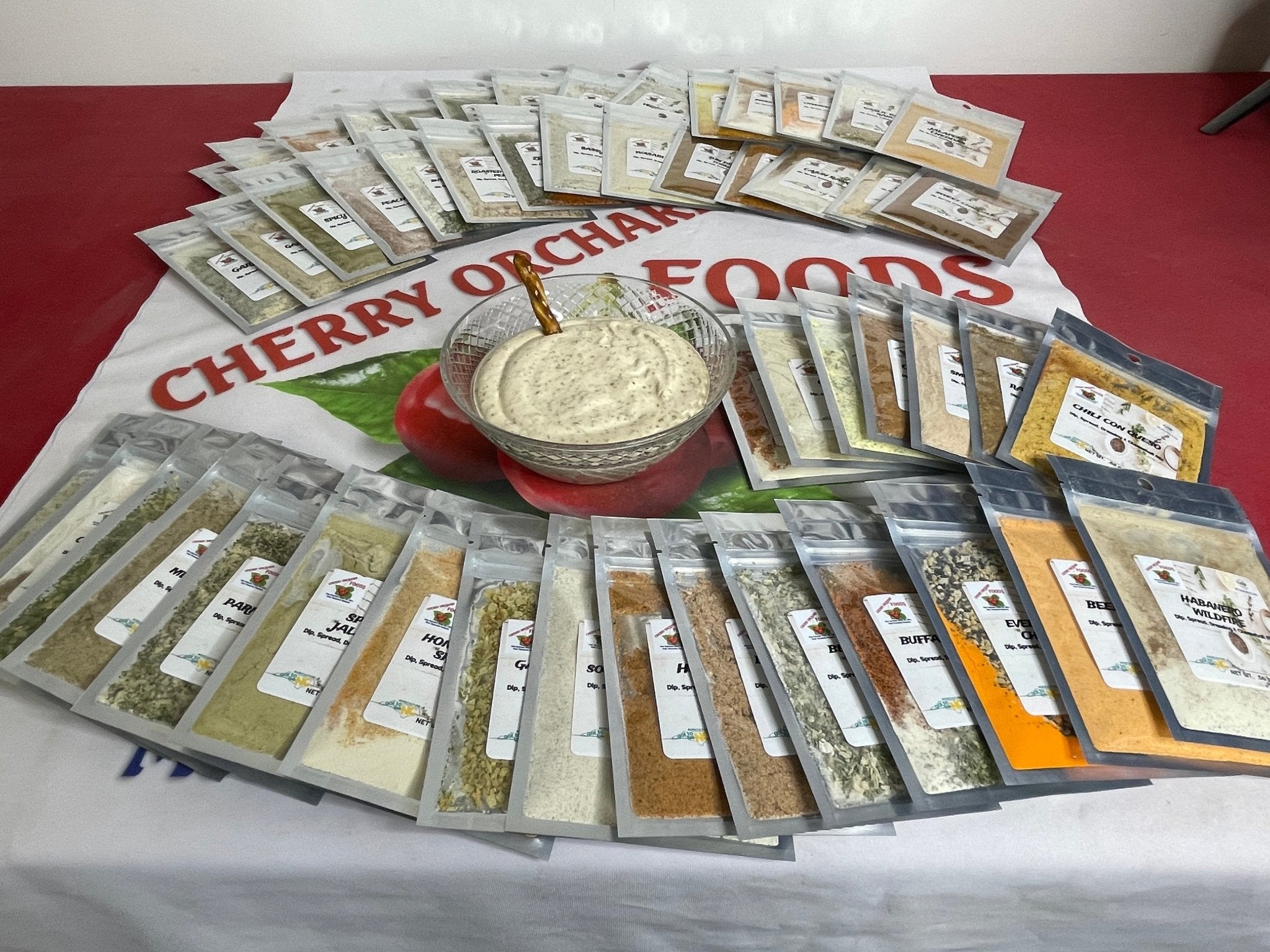
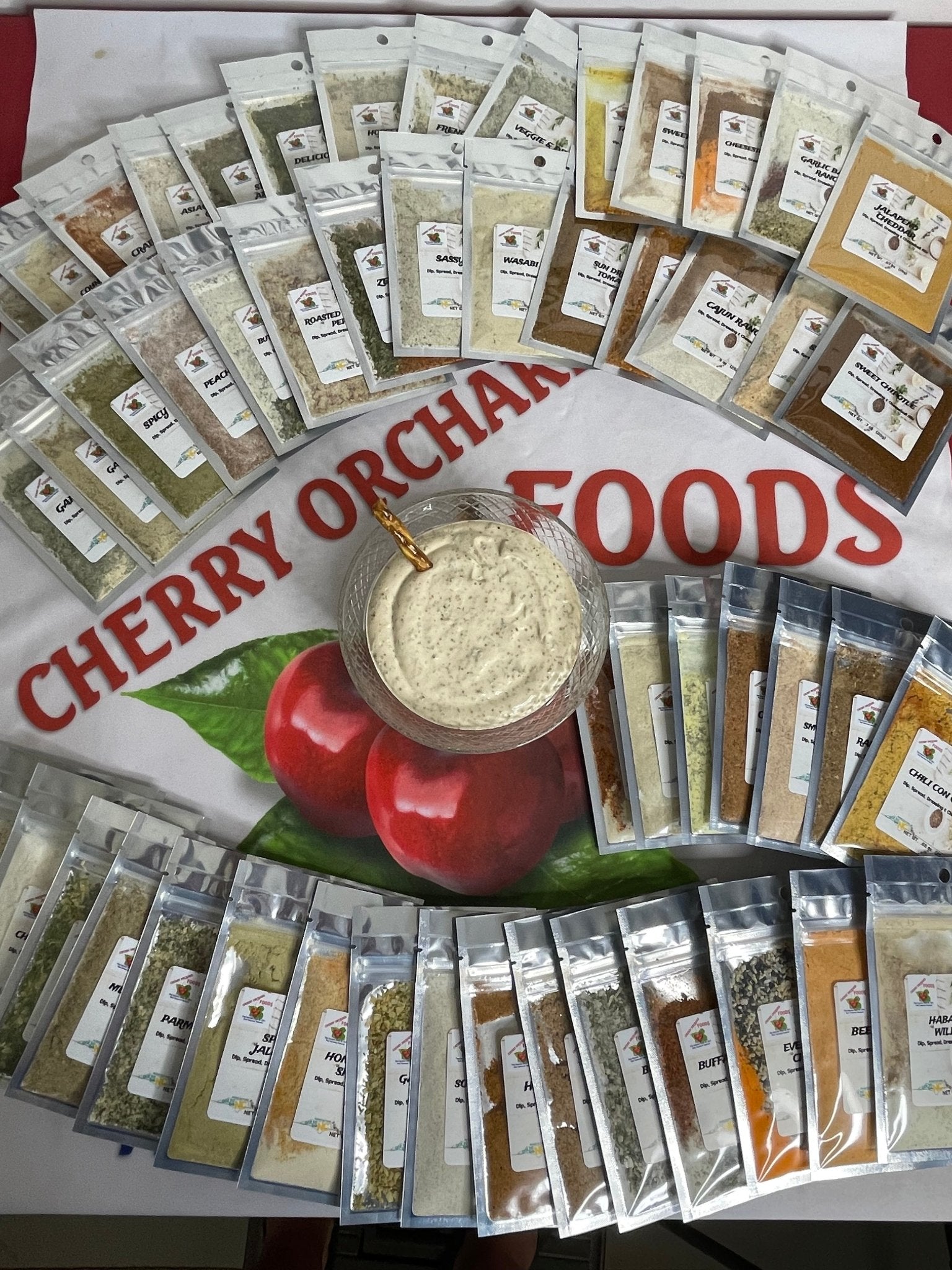
For dips and spreads, Hand crafted Non-Spicy Savory Dip Mixes offer many flavors to suit every guest. Stock a few options so you can offer variety without extra cooking.
Make a shopping list the week before the party, and buy non-perishables early.
Hosting gets easier with a plan, and the right mixes remove much of the guesswork. Start with your guest list, build your timeline, and choose two or three appetizers you can make in minutes. CherryOrchardFoods makes it simple to serve something impressive without spending hours in the kitchen.
Frequently Asked Questions
How do you host a party at home?
Start by setting a date, a guest count and a simple theme, then send invitations well ahead of time. Plan a menu that relies on make-ahead dishes and easy spreads, prepare your space the day before, and leave time to greet guests. Keep the schedule loose so you can enjoy the party as well.
What should a party host do before guests arrive?
Finish the cooking that can be done early, set out serving dishes, and chill drinks. Clear the entry and main gathering area, check the bathroom for supplies, and set up music or lighting. Put out a few conversation starters or a simple activity so guests have something to do when they first arrive. Review allergy concerns on your menu so you can answer questions quickly.
How can you make guests feel welcome at a party?
Greet each guest at the door, offer a drink right away, and introduce people who do not know each other. Label dishes that contain common allergens and place serving utensils next to each dish. A pleasant scent can also help a home feel inviting.
